Update on fuel and fertiliser disruptions
As fuel and fertiliser supply continues to be disrupted, Cotton Australia is continuing to work with the National Farmers’ Federation (NFF), state and federal governments, and other agricultural groups to keep this issue in front of decision makers.
Cotton Australia CEO Adam Kay has been involved in ongoing discussions with the Federal Agriculture Minister and relevant departments, including regular state and national roundtables.
With cotton picking currently underway across Queensland and New South Wales, Mr Kay said the main priority at the moment is to ensure growers have enough supply to get their crop off.
“We’re very keen to get supplies onto farm so that growers can harvest their crop,” he said.
“The next phase is moving the crop to the cotton gin and then on to port, with several stages still to navigate before it reaches export markets.”
Mr Kay said at this stage, most growers have been able to secure their required diesel eventually, however the biggest issue is the increase in cost which is impacting their financial sustainability.
“The sharp increase in fuel prices is putting pressure on the gross margin of our growers and that’s a real concern moving forward,” he said.
The Government’s National Fuel Security Plan, announced earlier this week, which includes the establishment of a fertiliser taskforce, underwriting fertiliser purchases where needed, and deferring the phased transition to full cost recovery for export regulatory services until 1 July 2027, is a welcome relief, providing much-needed certainty for exporters.
“These measures provide welcome breathing space for growers and exporters facing sustained input cost pressures and uncertainty around access to critical inputs,” Mr Kay said.
“For the cotton industry, reliable fertiliser supply underpins productivity and profitability, and any disruption has flow‑on consequences for yields, quality and Australia’s competitiveness in international markets.”
Cotton Australia supports the NFF’s calls for food and fibre production to be treated as a priority sector if targeted allocation of fuel or rationings are considered.
A key focus of Cotton Australia’s advocacy is ensuring independent fuel distributors can access supply, as many farm businesses rely on them. To support this work, Cotton Australia is collecting current, on-ground information from growers to help provide a clear picture of impacts and keep pressure where it is needed.
In the meantime, Cotton Australia will continue to work closely with the Government, NFF and supply chain partners to advocate for practical, agriculture‑specific measures that ensure growers can harvest, process and export their crop without disruption.
“Ensuring secure access to fuel and fertiliser is fundamental to keeping Australia’s cotton industry operating and maintaining the reliability of our export markets during this period of uncertainty,” Mr Kay said.
Growers are encouraged to continue to share how they’ve been impacted by fuel or fertiliser disruptions by emailing [email protected].
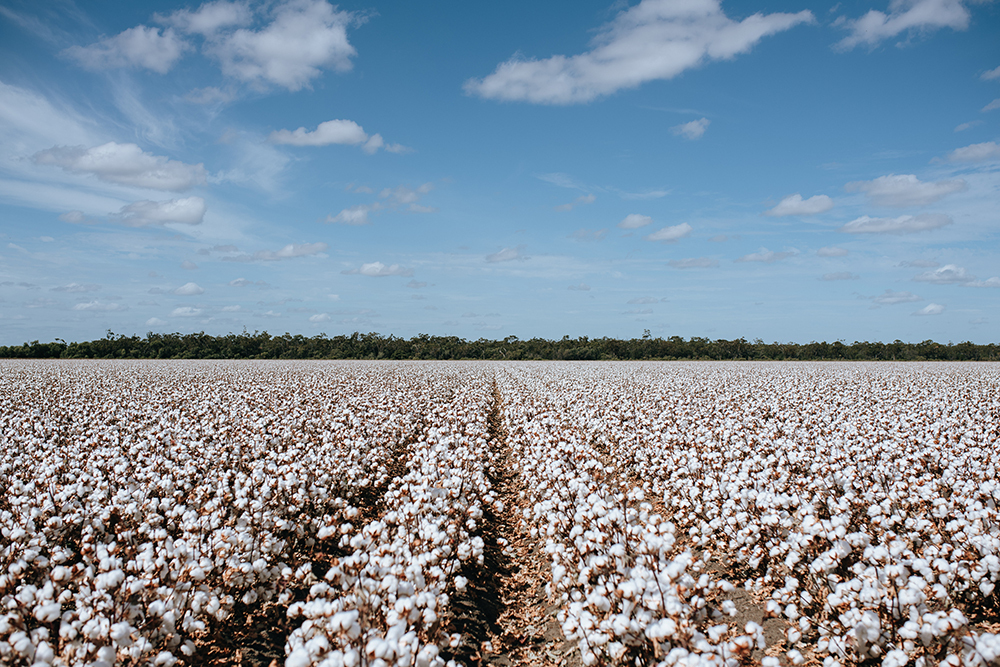
Cotton ready to be picked for this season in the Gwydir Valley
Latest News
Central Queensland Growers Focus on Water Policy
Cotton Australia General Manager Michael Murray visited Central Queensland this...
Cotton Grower Associations Purpose, Roles and Planning Workshop
Last week, Cotton Grower Association (CGA) members, Cotton Australia Chair...
Rebates and discounts available for aerial markers help improve powerline visibility
Powerlines can be difficult to see from the ground or...
Fatigue Management Webinar - what the new codes mean for growers
Cotton Australia is hosting a webinar on Wednesday 22 July...
NSW Irrigators Council Hears Key Basin Plan Updates from Water Ministers
NSW Irrigators Council held its mid-year meeting in Sydney last...
