Exercise strengthens cotton industry's biosecurity preparedness
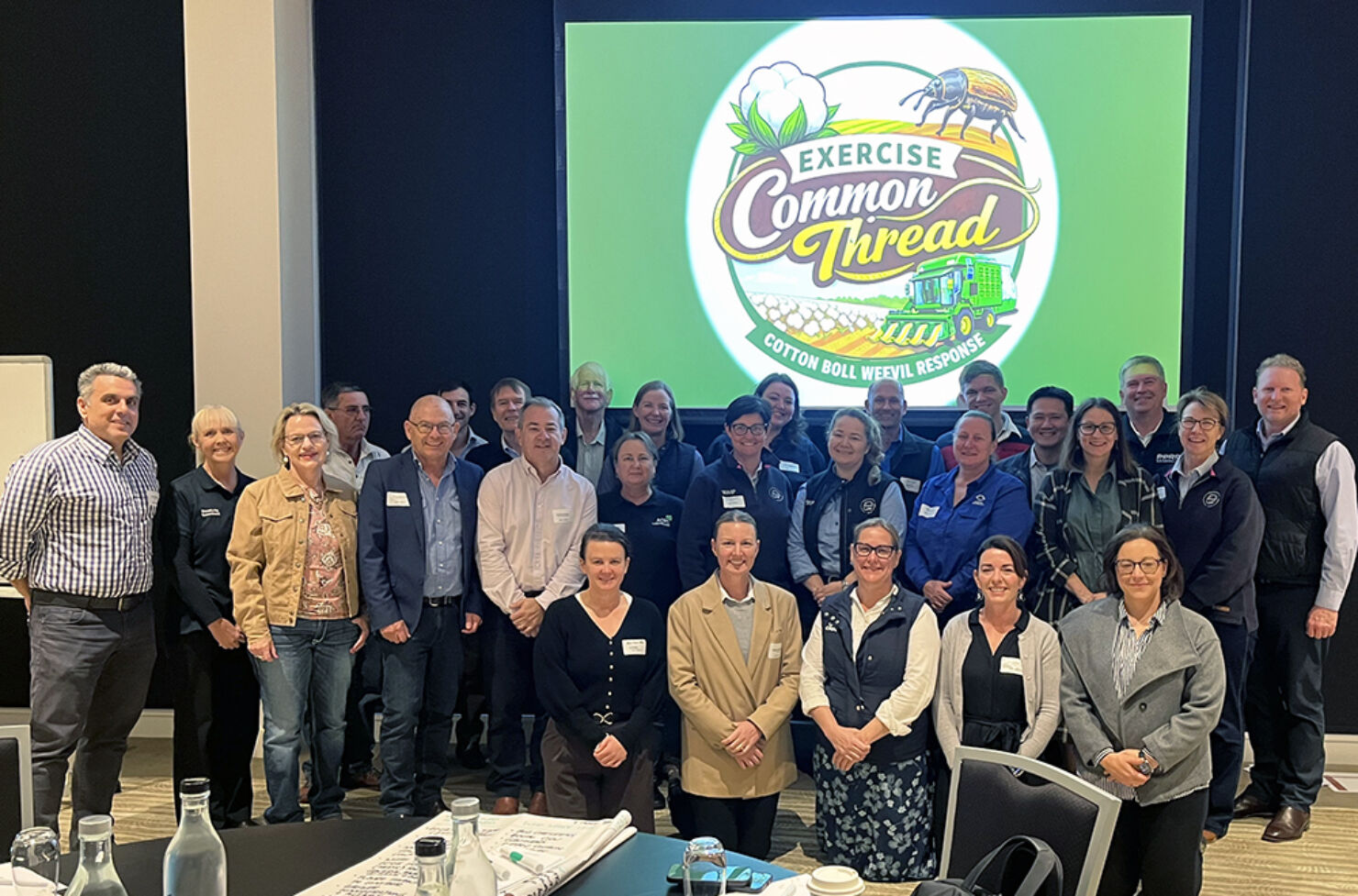
Representatives from across the Australian cotton industry came together in Brisbane in July for Exercise Common Thread, a two-day biosecurity emergency preparedness exercise designed to ensure Australia remains ready to respond to its highest priority exotic cotton pest threat – the Cotton Boll Weevil.
The exercise brought together growers, industry, government agencies, Plant Health Australia and biosecurity specialists to test how the industry would respond if the pest were detected in Australia. Participants worked through a simulated boll weevil incursion, evaluating emergency response arrangements, information sharing between industry and government, and the Australian Cotton Boll Weevil Contingency Plan.
The exercise also tested communications processes and resources to ensure growers and other stakeholders would receive timely, accurate and consistent information during a biosecurity emergency.
While Australia remains free of Cotton Boll Weevil, increasing international trade and the movement of people and goods mean the risk of exotic pest incursions is ever present. Regular preparedness exercises such as Common Thread help ensure the industry can respond quickly and effectively, giving Australia the best chance of eradicating a pest before it becomes established.
Cotton Australia Policy Officer – Research Direction and Stewardship, Doug McCollum, who coordinated the exercise, said the industry was well prepared but there were opportunities to further strengthen Australia's response.
"Our preparedness for a boll weevil incursion is good, but there are some tweaks that can be made to the contingency plan and there are some specific action items that we can work on to be as well prepared as possible," Mr McCollum said.
Mr McCollum said one of the greatest strengths of the exercise was bringing together the organisations and people who would be involved in a real response.
"One of the biggest strengths of the exercise was bringing growers, government agencies, researchers and industry organisations together to work through the response. In a real biosecurity emergency, those relationships and communication pathways are just as important as the technical response. Having everyone in the room helps ensure we understand each other's roles and can act quickly and consistently if the need ever arises."
Follow-up activities will now focus on refining the contingency plan, progressing research priorities and continuing discussions with regulators and industry to further strengthen Australia's preparedness.
Exercise Common Thread was funded through the Queensland Biosecurity Boosts Program and levy funds held by Plant Health Australia.
Australia's highest priority cotton biosecurity threat
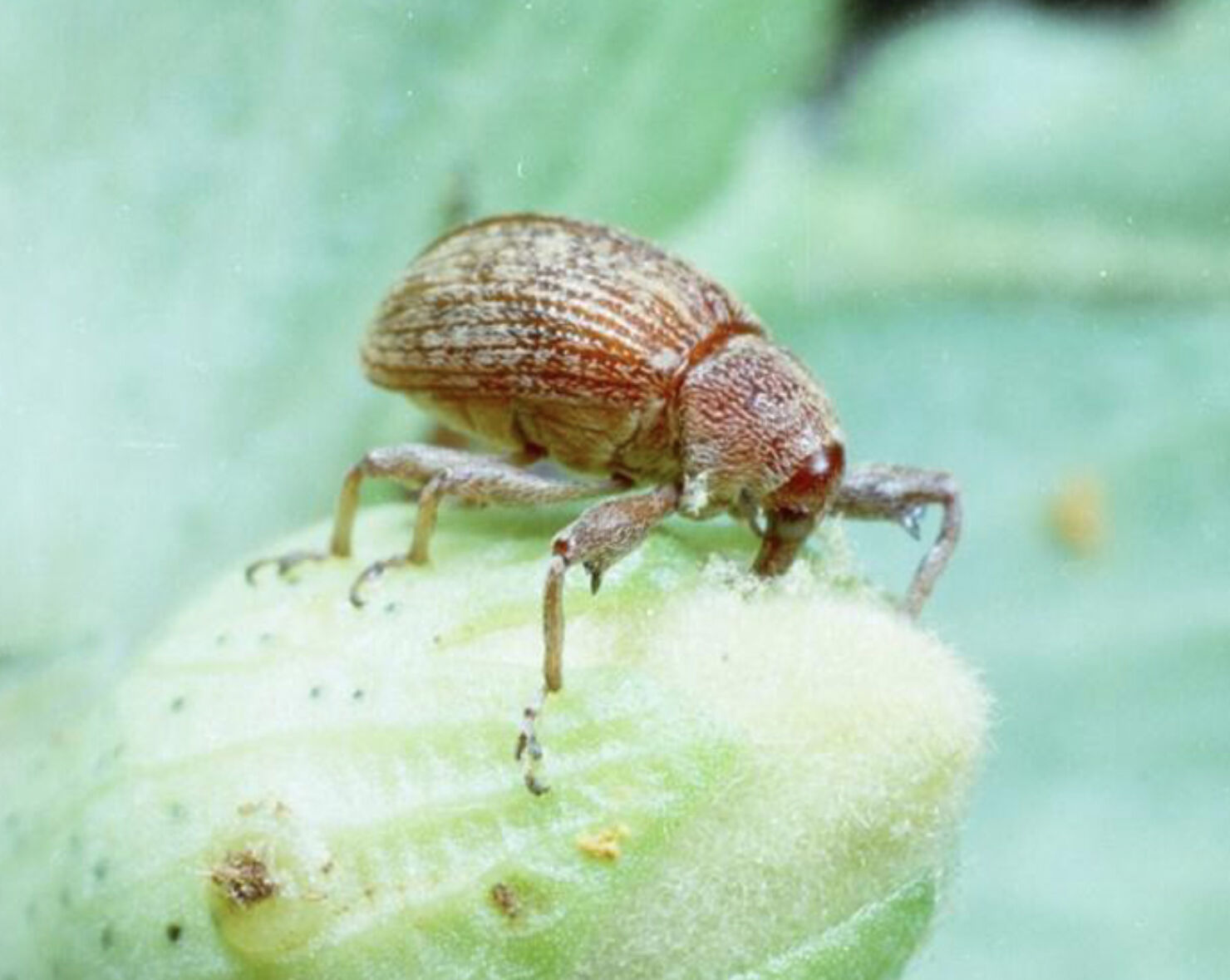
The Cotton Boll Weevil (Anthonomus grandis) is Australia's highest priority exotic insect pest threat for the cotton industry. While the pest is not present in Australia, it is established across North, Central and South America, where it has caused significant impacts to cotton production.
Adult boll weevils are small reddish-brown beetles with a distinctive curved snout. Their larvae develop inside cotton flower buds (squares) and bolls, causing fruit to shed before it matures.
An incursion into Australia could result in significant production losses, increased chemical use, disruption to market access and reputational impacts for the Australian cotton industry.
Latest News
Celebrate Cotton’s Champions at the Australian Cotton Industry Awards Dinner
What better way to finish the Australian Cotton Conference than...
Cotton voices help shape Murray-Darling Basin conversation
Cotton industry perspectives were part of the conversation when the...
Reminder: Do not graze livestock on cotton stubble
As cotton picking wraps up, growers are reminded that cotton...
St George, Mungindi and Dirranbandi CGA Meetings
Cotton growers and industry supporters from across South-West Qld and...
Employing Young Workers on Farms: What Employers Need to Know
Young people often help on family farms, but employers need...
