Economics of cotton
- Australian cotton has a positive reputation on the world market.
- Over a five-year average, the Australian cotton crop was worth AUD $2 billion annually (and up to $3 billion in a good year).
- In 2018, the main markets for Australian cotton were China, Vietnam, Bangladesh and India.
Australian cotton’s reputation
Australian cotton is sold into a highly globalised market, competing against around 70 other cotton-producing nations for its share of global cotton trade.
The Australian cotton industry has earned a reputation as a reliable supplier with fast shipping times to export destinations and reliable delivery.
Our crop is in strong demand and can attract a price premium due to its high quality, reliability and a proven track record in meeting manufacturer and consumer needs.
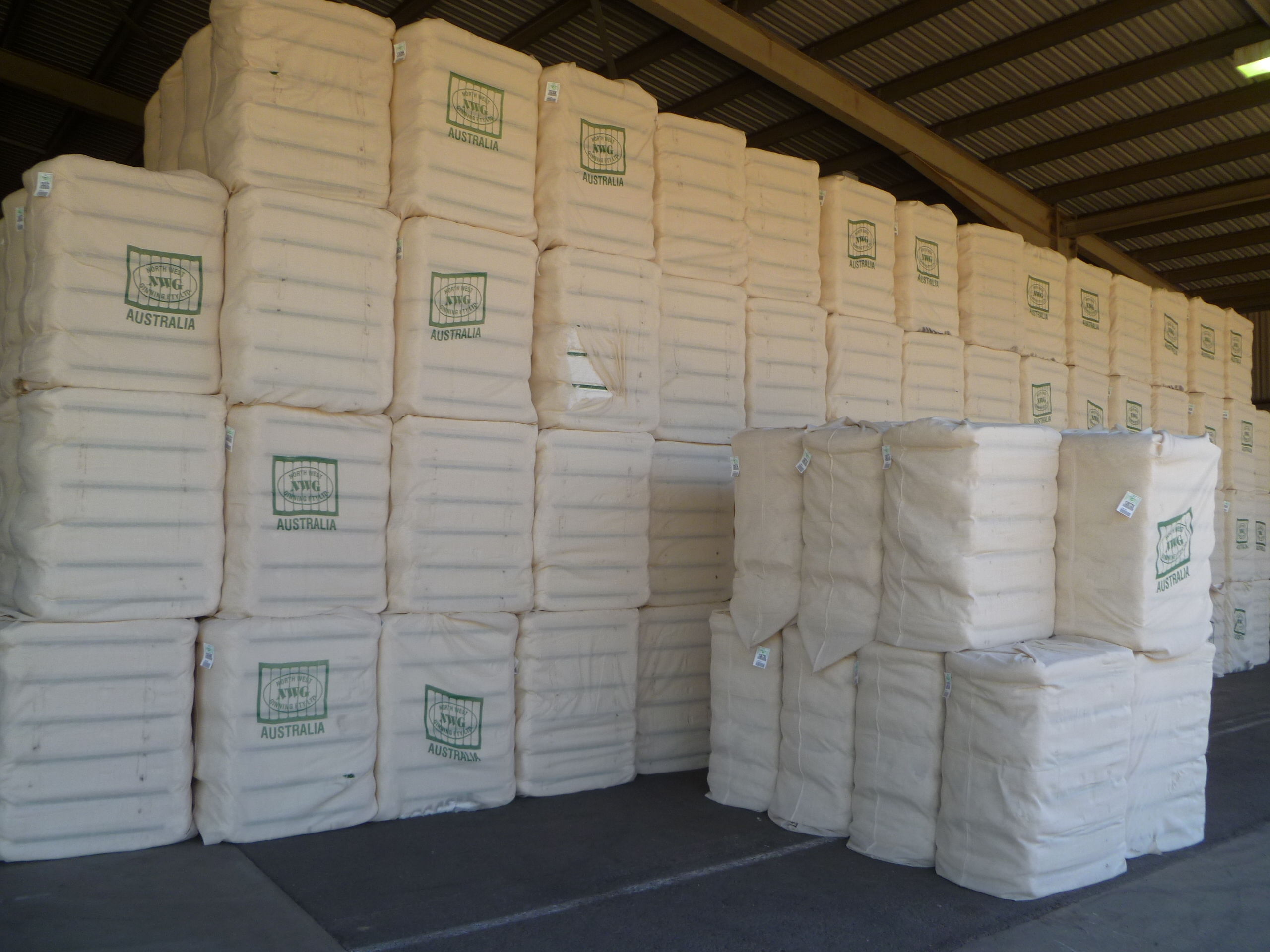
A global marketplace
Cotton growers sell their cotton to one of a number of independent Australian merchants who then sell it into the world’s markets, aiming to get the best price possible. The market is competitive and transparent.
The price that a grower receives for each bale of cotton produced is set by the world market, which is dependent on a number of factors, including the state of the world economy, agricultural politics, fashion trends, synthetic fibre price, weather, natural disasters and cotton’s own supply and demand factors.
Cotton prices have ranged from AUD $300 to more than $600/bale.
Prices were very high in 2011 due to a short-term shortage of cotton in exportable locations, reaching an average price of $664/bale. The average price for cotton between 2013/14 and 2017/18 was approximately $529/bale (source: ABARES 2018).
Cotton lint makes up about 42% of the picked cotton by weight and contributes about 85% of the total income from a cotton crop. The other 15% of income is from cotton seed.
There is a forward market for cotton in Australia, where growers can sell their cotton at a fixed price up to three years ahead (source: Australian Cotton Shippers Association, Cotton Conference Presentation 2012).
Australian cotton growers have an excellent reputation for good business practice in the world market due to contract sanctity and reliable counterparties, and strict adherence to International Cotton Association (ICA) rules.
Australian cotton growers are market-savvy, understand the components that make up the price of their cotton, monitor price movements and take action at price levels that suit their businesses (source: Australian Cotton Shippers Association, Cotton Conference Presentation 2012).
Australian cotton is exported through ports in Brisbane, Sydney and Melbourne.
In 2018, the main markets for Australian cotton were China, Vietnam, Bangladesh and India (source: ACSA).
In 2016/17, Australia was the third-largest exporter of cotton in the world (behind the USA and India).
More than 1.47 billion kilograms of cotton seed was produced in Australia in 2017/18 (source: ABARES 2018).
Australia exports cotton seed to Japan (crushed and cattle feed), Korea (crushed), China (crushed) and the USA (dairy feed), depending on parity price and the value of the Australian dollar. Average seed exports between 2013/14 and 2017/18 were valued at AUD$107.4m (source: ABARES 2018).
Over a five-year average between 2013/14 and 2017/18, the Australian cotton crop was worth AUD $2 billion annually (source: ABARES 2018), underpinning the viability of 152 rural communities.
Cotton Australia statement - Human rights in the Australian cotton industry
Cotton Australia remains deeply concerned about any claims of human rights violations around the world in association with the production and manufacture of cotton, including allegations of forced labour overseas.
The cotton industry in Australia is committed to upholding the rights of individuals, ensuring fair and reasonable pay and working conditions, and promoting the highest standards of safety and well-being of everyone who works in the sector. Australia’s cotton industry operates within a strict regulatory framework, aimed at ensuring the highest standards and conditions for farm workers.
Cotton Australia stands with global industry stakeholders in condemning any foreign farm, business, or organisation responsible for, or knowingly associated with, human rights abuses in the cotton supply chain, from farm gate to retail outlet.
Cotton Australia plays a vital role in global cotton sustainability organisations, and will continue to support tough sanctions against any nation that threatens fundamental human rights associated with the growing, manufacture and production of garments or products containing Australian cotton.
